
PM Modi on Middle East war; lists key steps taken on oil & LPG – warns of lasting fallout – The Times of India

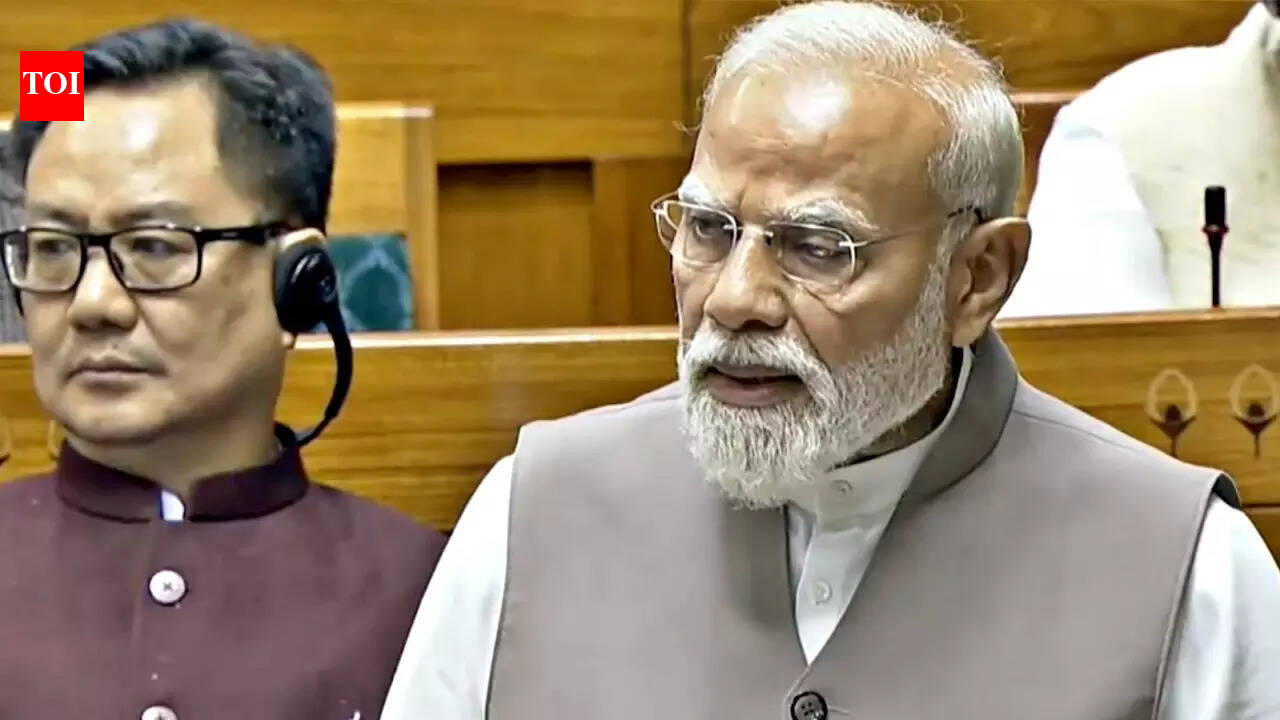
Prime Minister Narendra Modi on Monday described the situation in the Middle East as “worrisome,” noting that it is significantly affecting the global economy as well as people’s livelihoods. “The West Asia war set unprecedented challenges for India too. The West Asia conflict zone is an important route for India’s trade with other nations,” he said.Speaking in the Lok Sabha on the ongoing developments in the region, he emphasised that protecting Indian citizens remains the government’s foremost concern during such conflicts. He added that the Centre is alert, responsive and prepared to provide all necessary assistance.
PM Modi also spoke of India’s crude oil, LPG, and LNG situation, stressing on steps taken to manage the ongoing crisis and benefits of diversification.
LPG, Crude Oil Supply: PM Modi lists steps taken
“The current situation in West Asia is worrisome. This crisis has been going on for more than three weeks, having a very adverse impact on the global economy and on people’s lives. The entire world is urging all parties to resolve this crisis as quickly as possible,” Modi said. PM Modi pointed out that cargo movement through the Strait of Hormuz has been challenging since the conflict began, but the government is taking steps to ensure that supplies of gas and fuel face minimal disruption. “We all know that India imports 60 per cent of its LPG needs. Due to uncertain supply, the government is prioritising domestic supply. LPG production in the country is also being increased,” he said.
- PM Modi said the government has remained focused on minimising public hardship amid disruptions in LPG supply caused by the ongoing West Asia crisis, while assuring that authorities are alert, empathetic and ready to extend all possible support.
- He added that India has been diversifying its energy sources, with imports now coming from 41 countries compared to 27 earlier, to strengthen resilience against such disruptions.
- He added that the rise in ethanol blending has helped reduce crude oil imports by 4.5 crore barrels annually.
- The government, he said, is in continuous engagement with suppliers worldwide to secure oil and gas from all possible sources.
- He further highlighted that India currently maintains strategic petroleum reserves of over 53 lakh metric tonnes and is working to expand this capacity to more than 65 lakh metric tonnes. The reserves with oil companies is separate.
“Due to ethanol blending, we are saving the import of about 4.5 crore barrels of oil every year. Similarly, railway electrification is also bringing great benefits. If such large-scale railway electrification had not happened, an additional 180 crore litres of diesel would have been required every year.We have also expanded the metro network. In 2014, the metro network was less than 250 km, which has now increased to more than 1100 km,” he said.Also Read | LPG crisis: Argentina emerges as key alternative supplier; shipments more than double in just first three months of 2026“We are in constant dialogue with all our global partners to ensure the safety of our maritime corridors. As a result of such efforts, many of our ships stranded in the Strait of Hormuz have recently returned to India… In the last 11 years, our refining capacity has increased significantly. The government is in constant contact with suppliers from different countries. The effort is to ensure that oil and gas supplies continue from wherever possible...further secure India’s future… The Indian government has also established an inter-ministerial group. This group meets daily, and our input is fully integrated. And this group also continuously works on necessary solutions. I am confident that with the combined efforts of the government and industry, we will be able to better cope with the current situation,” he added.Through its diplomatic engagements with Iran India has managed to secure the safe transit of some LPG and crude tankers, and more are expected in the coming days. India has also stepped up LPG procurement from the US and Argentina, as per reports. Russian crude has come to the rescue with several million barrels of oil procured since the start of the US-Iran war to fill the supply gap from the Middle East.PM Modi said India must be ready for prolonged repercussions arising from the US-Israel-Iran conflict. “Because of this war, the difficult global situation may continue for a long time. Therefore, we must remain prepared and stay united. We have faced such challenges before as well by staying united during the coronavirus pandemic. We must remain very careful and alert. Some people will try to spread rumours to take advantage of the situation. We must not allow such people to succeed,” he said.Also Read | More relief coming soon? Two India-flagged LPG ships transit Strait of Hormuz: ReportThe prime minister further noted that the conflict has given rise to a range of unforeseen challenges, spanning economic pressures, humanitarian concerns and issues linked to national security.He pointed out that the countries involved maintain strong trade ties with India and are crucial for meeting a large share of the country’s crude oil and gas needs. He also highlighted the region’s importance due to the presence of nearly one crore Indians living and working there.He stressed that it is important for Parliament to present a unified and collective stance on the crisis to the global community. Modi said that since the onset of the conflict, all Indians in the affected areas have been extended necessary support. “I have spoken with most of the heads of state in West Asia over the phone in two rounds. And they have all assured the safety of Indians,” he said. Highlighting evacuation efforts, PM Modi said nearly 1,000 Indians have already returned home safely, including over 700 medical students, while a total of 3.75 lakh citizens have been brought back since the conflict began. He pointed out that the West Asia region is critical for India, given that around one crore Indians live and work in Gulf countries, and a significant number of Indian seafarers are employed on commercial vessels operating there.
Source link