

The ultimate guide to growing muskmelons at home this season | – The Times of India

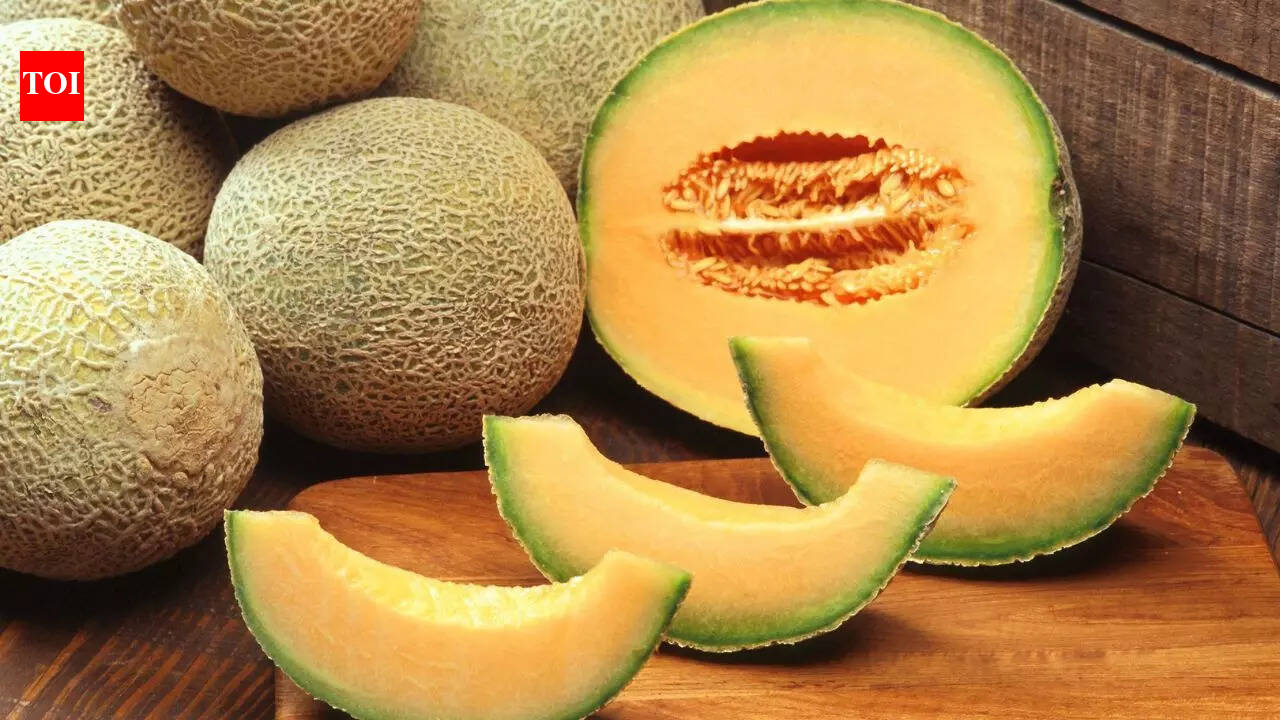
The summer season is something that hits people with dehydration due to extreme heat and less water intake into the body. Having plenty of water is necessary to survive in this season. Fruits are being recommended to fulfil the need for water in the body, and muskmelon is one of those fruits. But in the demanding season for fruit like this, the cost can be higher, and to save your pockets, you can grow these muskmelons at home this season. Growing muskmelon can be a fun and rewarding experience for all ages–no matter whether you have a huge yard or just a small balcony. This season, we’ll explore the best soil, sunlight allotment, and how to check the ripeness of your melons using the ‘slip test,’ so you can grow healthy and productive fruit!
Grow muskmelons at home: Best season and temperature
The experience of cultivating muskmelons (commonly called cantaloupes) will be one of the most gratifying experiences you will have with ‘edible’ endeavours. Muskmelons are composed of roughly 90 per cent water, making them a great natural cooler for those hot, sunny days. Muskmelons are heat seekers. They don’t just like the sun, but they also require the sun to convert their starch to sugars.The optimal time to plant muskmelon is between late February and April, and Muskmelons do best at between 25 degree Celcius and 35 degree Celcius; they will be very watery and lacking their characteristic sweet scent if you plant them during the rainy season or winter months.
How much area does muskmelons take to grow
It is possible to grow this fruit without owning a farm. It is possible to properly cultivate melons outside in the backyard by providing the vines with four to six feet of room to crawl. If you have a balcony, you can accomplish this by placing them in a large pot (at least 12 to 15 inches deep) and using a wooden frame or ‘trellis’ that will allow you to grow them upward.
Step-by-step process to grow muskmelons at home
- Step 1: In order to grow muskmelons successfully, they need lots of nutrients. If possible, mix some compost or well-aged cow manure into your soil before planting. This will allow your plant to have the energy level to produce large melons.
- Step 2: Using your first knuckle, poke a hole in the ground about 1 inch deep. Place 2-3 seeds in each hole (the closer to the tip of the root, the better). After they are a few inches tall, keep only the strongest one by cutting away the weaker ones.
- Step 3: A great tip for all ages: water the soil! Do not splash water on the leaves. If the leaves get wet, they may develop and form a white fungus on the leaves (like spilt flour called Powdery Mildew). Keep the soil moist, but don’t allow it to become a swamp.
- Step 4: If you are growing your vines up a balcony, then as the muskmelons grow and become heavier, the weight will cause the vine to break. To prevent this, you can use some old netting or soft cotton fabric by tying it to your support structure to create a ‘sling’ for the melon to rest in as it grows.
The ‘Slip test’
Beginning growers frequently make the most significant error by harvesting fruit too soon. For example, a muskmelon’s ripeness can easily be determined by using any of the following indicators:
- Change in skin colour: The skin beneath the ‘webbing’ will go from green to a light tan or yellowish colour.
- Aromatic fragrance: When you smell the stem end of the fruit, it will produce an aromatic fragrance (a sweet perfume).
- Easily detachable stem: Use your thumb to apply a light pressure to the stem. If this causes the stem to break off with a soft pop sound, then the muskmelon has ripened enough to be harvested. If you must pull it off or use a knife to remove it, then it is too early to remove them.
Source link