

DNA analysis suggests the Shroud of Turin may have been crafted in India | – The Times of India

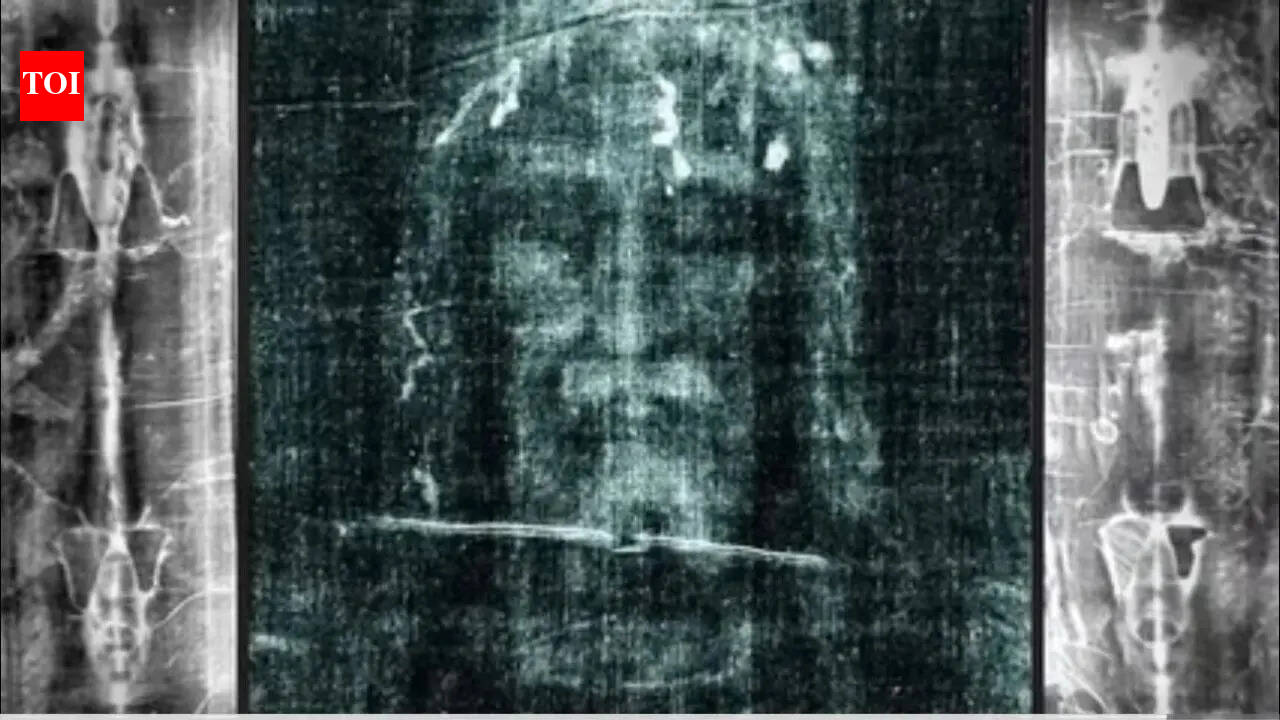
The Shroud of Turin is an ancient linen cloth that bears a negative image of a man and is considered by many to be Jesus Christ’s burial shroud. There has been an intense amount of debate about the shroud’s authenticity. However, with the recent genomic breakthroughs involving the analysis of the environmental DNA (eDNA) particles trapped inside the fibres of the cloth, there is now another chapter in the history of the Shroud of Turin. The researchers now have evidence of both plant and human DNA lineages within the shroud’s fibres, with DNA lineages associated specifically with the Indian subcontinent. This suggests the cloth may have been manufactured in India or spent a considerable amount of time there before appearing in Europe. In addition to challenging the traditional Mediterranean-centric theories on the use of the shroud, this points toward the cloth having an extensive and diverse history throughout the world.
How DNA challenges the Shroud of Turin’s western origins
In a research paper published in Scientific Reports through the Nature portfolio, scientists used Next Generation Sequencing (NGS) technology to analyse dust particles vacuumed from the Shroud of Turin and analyse mitochondrial DNA (mtDNA) extracted from both human and plant origins found on the Shroud. The results showed that haplogroups identified on the Shroud are typical of South Asia and the Middle East, along with other regions such as Western Europe. However, certain haplogroups were identified in this study, such as human mtDNA haplogroup R0a, a group found primarily in the Arabian Peninsula and Horn of Africa, but also contains sequences of mtDNA haplogroups associated with South Asia.
Plant DNA links the Shroud to Indian soil
Along with human-derived mtDNA, the study also identified plant-derived mtDNA collected from species associated with those that grow in or utilise agricultural products produced in India. Some examples include Picea (spruce) and Prunus (plum/cherry) species; however, what is most important is the detection of plant species such as Vigna unguiculata (cowpea) and any additional species belonging to the Fabaceae family that are typically found in the subcontinent of India. The presence of these plant markers supports the hypothesis that the flax used to create the Shroud was native to India and/or that the production process occurred in India before being transported through trade routes.
How Indian textiles reached the Medieval West
Research indicates that the shroud is likely made in India, and supports this by showing that during ancient times, India was a major textile manufacturing centre. The research also found evidence of DNA from diverse biogeographic ancestries (South Asians, East Africans and Middle Easterners) present in the cloth before arriving in Chambery, France, in the 14th century, indicating that the shroud has been around at least since the 14th century, if not earlier. As such, it was likely a ‘global’ item that travelled on the Silk Road or other maritime trade routes connecting India to the Levant.
Beyond the 1988 study: How genetic markers challenge Medieval origins
While the DNA evidence supports a probable eastern/Indian origin, it presents a significant anomaly compared to the 1988 radiocarbon results, which dated the shroud to a medieval European period (1260–1390 AD), as per the details mentioned in PBS. However, multiple researchers believe that the diversity of the DNA samples suggests a timeline that may predate the medieval period because it would take a large amount of time for such diverse maternal and paternal DNA from multiple global regions (including the Indian subcontinent) to become a part of the shroud.
Source link