

Oil shortage, price spike, inflation fears: How Hormuz blockade is hitting India and global markets – The Times of India


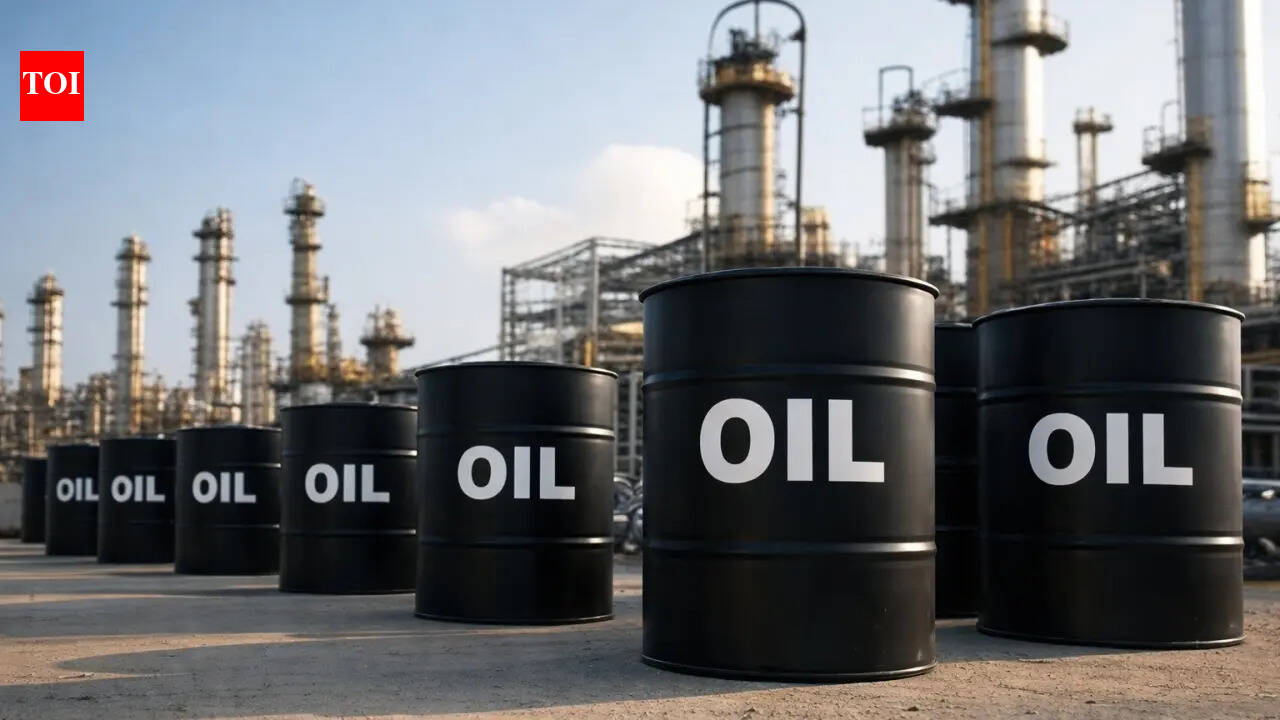
Global markets were rattled after US President Donald Trump’s announcement of naval blockade in the Strait of Hormuz. The immediate fallout was visible in Asian trading, where stocks in Japan and South Korea opened lower as investors reacted to the escalation. At the same time, crude oil prices surged sharply, with Brent and WTI jumping 6–8% to move well past the $100 per barrel mark, signalling a tightening supply outlook.According to banking market expert Ajay Bagga, “There is a risk of a move after the collapse of the negotiations and also Trump escalating into a blockade, and this evening, late evening in India, all Iranian ports will face a blockade.”He further added that this basically implies “a full shutdown of the Strait of Hormuz because Iran won’t allow other countries’ ships to transit, and Trump won’t allow Iranian flagships to either come or go, or anyone supplying to Iranian ports will not be allowed.” Signs of escalation are already visible on the ground, with flight tracking data showing increased US military transport activity towards the Middle East. The blockade is expected to severely restrict Iran’s access to global trade routes, effectively forcing it to depend on overland links and Caspian Sea ports, which handle far smaller volumes.“It makes Iran a landlocked country without any access to the world. The overland routes and the Caspian Sea ports are the only routes left for Iran. A little bit of commerce will come through that. The bigger risk is that Iran then lashes out, saying, ‘Okay, we are going down, we will take the Gulf nations also down with us.’ That’s the big risk of escalation,” Bagga told ANI.The pressure comes as Iran’s domestic economy is already under strain, with inflation at 48% and its currency weakening to 15 lakh Rials per dollar.
The disruption is large, but how large?
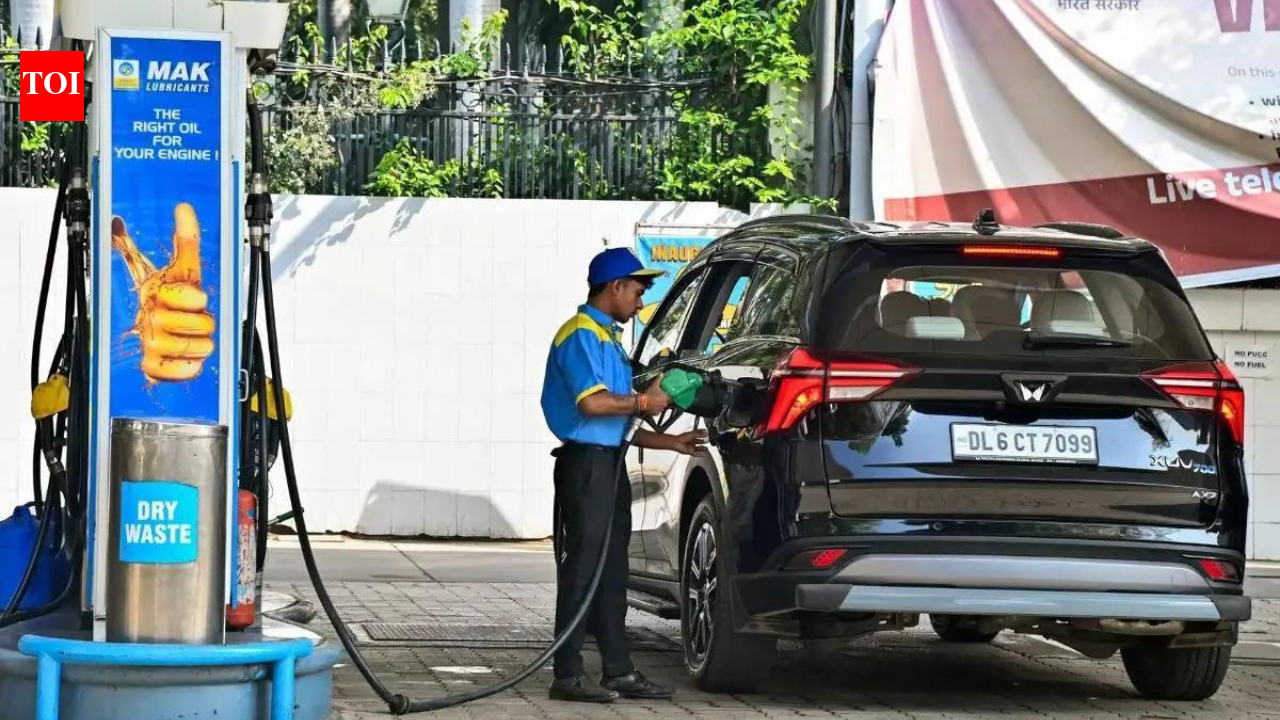
The scale of disruption impacting around 20% of global oil supply, has raised alarms well beyond energy markets. The shock is larger than previous crises in 1973, 1979 and the 1990 Kuwait invasion, and could force central banks to tighten monetary policy more aggressively.“US banks will report about $40 billion of trading profits this quarter. So banks are using the volatility from currency to commodities to stocks to make a lot of money. Retail investors get butchered in this kind of scenario,” Bagga states.Market movements are also being closely watched for timing, with concerns around positioning advantages. “There is a full scale market manipulation. Informed people are taking positions. So even that is a possibility. So what we are suggesting to investors is don’t try to trade this market. Only the institutions can trade this market. Otherwise markets are moving on a dime. They are moving on very fast,” Bagga suggested.Back home, the biggest concern remains the surge in crude prices, which directly affects India’s import-heavy energy basket.India’s energy import bill, estimated at around $150 billion last year, could rise significantly to between $225 billion and $250 billion if current prices persist.
Consider price hikes, now add the shortage factor
Bagga said the sharp supply shortage and rising oil prices, reaching $120–$140 per barrel, are likely to persist, driving global inflation and slowing economic growth, including in India.“Even over the weekend, what was happening, if 40 people were asking for oil, only four were getting fulfilled. So what that is pointing out is that there is a shortage, plus you are having to pay anything from $120 to $140 per barrel. Now that will not stop because of what has happened. That shortage and the increase in prices will not stop. That will lead to inflation globally, including in India, and the slowdown in the economy,” Bagga explained.The disruption is also beginning to weigh on India’s external sector. Around 20% of the country’s goods exports are encountering challenges as shipping routes through the Red Sea and the Gulf of Oman face constraints.The situation is also affecting the Indian workforce in the Gulf region. Out of roughly one crore Indians living there, about nine lakh have already returned as employment opportunities in construction and gig sectors decline, raising concerns over remittance inflows, particularly for states like Kerala.
Source link