

Lesser-known mango varieties in India beyond Alphonso and how they differ in taste and texture | – The Times of India

However, India’s relationship with the mango doesn’t end with the well-known Alphonso variety. Even though the Alphonso steals the show with its distinct flavour and smooth texture, there are scores of other varieties that can provide different tastes and textures and that are less known. Ranging from the aromatic farms in the northern parts of India to the tropical regions in the southern parts, these varieties carry a lot of tradition and history in terms of taste and aroma. They also allow one to explore new tastes and support the local farming community.
Unique Indian mango varieties beyond Alphonso
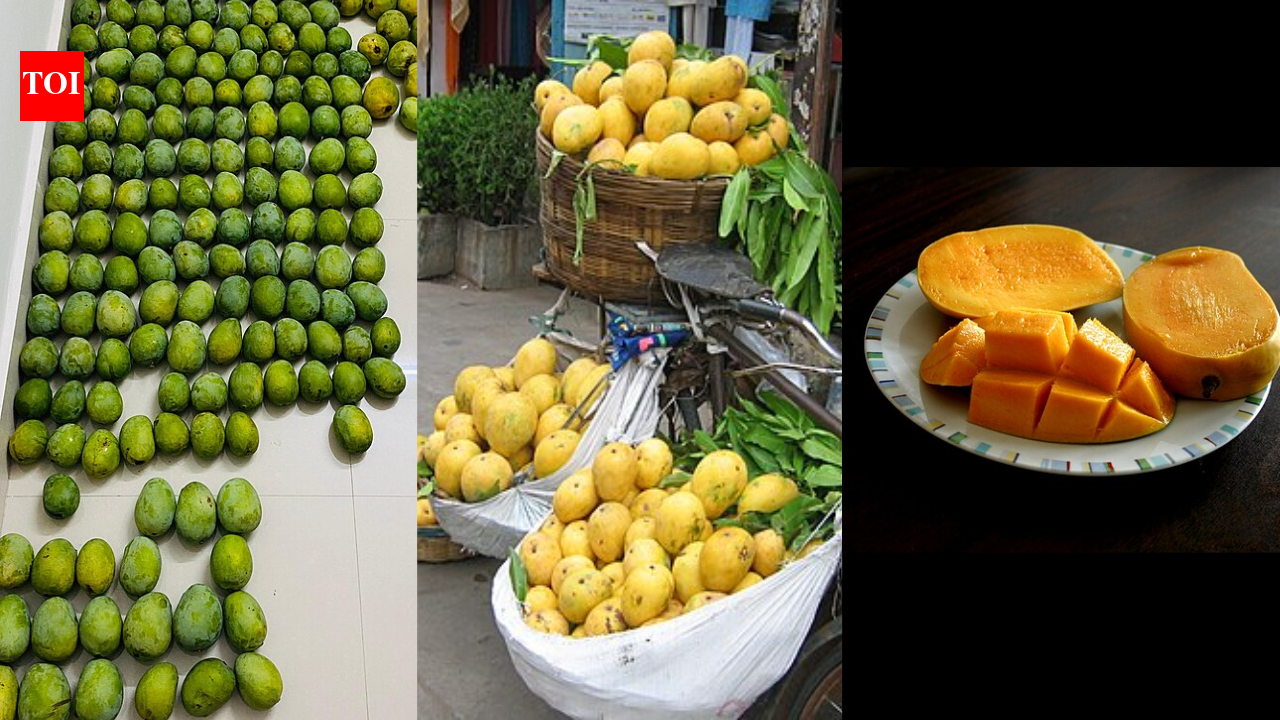
Langra is one example. Grown mainly in Uttar Pradesh and Bihar, it has an appealing fibrous texture and a sweet and sour taste. The unique smell of Langra makes it suitable for table consumption and processing.Banganapalli, grown in Andhra Pradesh, can also be considered. It is large, golden yellow, and has a mild, sweet taste. It is one of the early types of mango available and is an important variety for exporting Indian mangoes.Kesar is another example, often referred to as the “Queen of Mangoes.” It is a bright orange mango with a sweet flavour. It is a close competitor of Alphonso due to its high carotenoid content, which gives it colour and nutrition.
Regional diversity of Indian mangoes
The varying weather conditions in India have a significant impact on the diversity of the mangoes produced. For example, the Himisagar in West Bengal is renowned because of its juicy nature with no fibres as well as a relatively short shelf-life, while the Imam Pasand from Tamil Nadu is recognised for its rich flavour, which can be said to be sweet with an undercurrent of citrus.According to research conducted by the Department of Horticulture, College of Horticulture, “India produces more than 1,000 different mangoes, most of which are regional varieties that do not have much commercial success.”
Why should you explore lesser-known mangoes
Exploring less well-known mangos is important for several reasons. In addition to being tastier and more sustainable, less well-known varieties of mangos help farmers maintain greater agricultural diversity. Each variety of mango has its own history. While there is no doubt that the Alphonso mango is an important part of India’s mango history, it is far from the whole story.For instance, there is the Langra mango, whose origins date back hundreds of years, or the Imam Pasand mango, which was the favourite of Indian royalty. By expanding your mango palate, you will have access to a wider range of Indian history and culture.Ultimately, while the Alphonso mango is iconic, it is only one part of India’s mango history.
Source link